The Cultural Meaning of Cherry Blossoms
Cherry blossoms, known as sakura in Japan, are one of the most recognizable symbols of Japanese culture. Every spring, the blooming of cherry trees transforms parks, riversides, and mountainsides into landscapes of soft pink and white.
But the importance of cherry blossoms goes far beyond their beauty. For centuries, sakura have held deep cultural meaning in Japanese poetry, art, and philosophy.
The brief and delicate life of the cherry blossom has come to represent one of the most important ideas in Japanese aesthetics: the awareness that beauty is often fleeting.
The Arrival of Spring
In Japan, the blooming of cherry blossoms marks the arrival of spring. The flowering season usually begins in the southern parts of the country and gradually moves northward.
This seasonal progression is so important that it is reported in weather forecasts as the “sakura front.” People across the country follow the movement of the blossoms as they begin to bloom.
The arrival of sakura has long been a moment of celebration and renewal.
Hanami: The Tradition of Viewing Blossoms
One of the most beloved traditions associated with cherry blossoms is hanami, which means “flower viewing.”
During the sakura season, people gather in parks to sit beneath blooming cherry trees. Friends, families, and colleagues share food and conversation while enjoying the beauty of the blossoms.
This tradition dates back more than a thousand years and remains an important cultural event in modern Japan.
The Symbolism of Impermanence
Perhaps the most powerful meaning associated with cherry blossoms is the idea of impermanence.
Sakura bloom brilliantly for a short time, often lasting only a week or two before their petals fall.
This brief life has made them a symbol of the transient nature of life itself.
In Japanese aesthetics, this awareness of fleeting beauty is known as mono no aware, a gentle appreciation of the passing moment.
Cherry Blossoms in Japanese Art
Because of their symbolism and beauty, cherry blossoms appear frequently in Japanese art.
They can be found in traditional paintings, woodblock prints, textiles, ceramics, and decorative patterns.
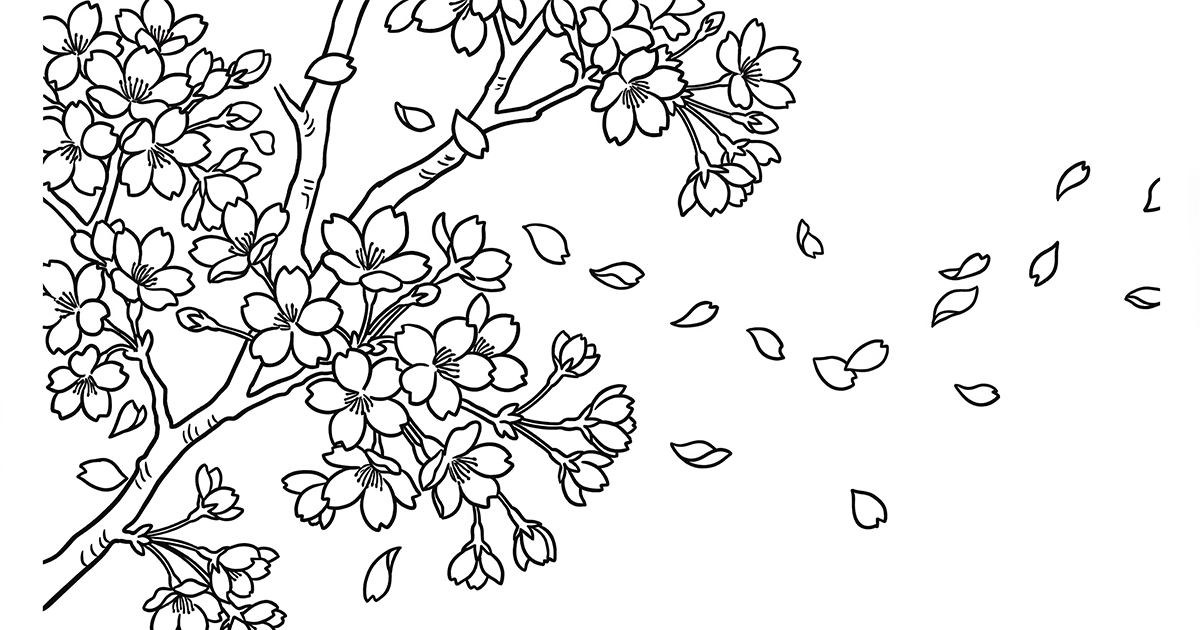
Artists often depict falling petals, branches heavy with blossoms, or entire landscapes filled with sakura trees.
These images capture both the beauty of spring and the quiet sadness of passing time.
Cherry Blossoms in Poetry and Literature
Cherry blossoms have also inspired countless poems and literary works.
In classical Japanese poetry, sakura often represent the emotional awareness that beauty cannot last forever.
Many poets describe petals drifting in the wind as a metaphor for the passing of seasons and the flow of life.
Sakura as a Symbol of Japan
Today, cherry blossoms have become one of the most recognizable symbols of Japan itself.
They appear in festivals, artworks, souvenirs, and cultural celebrations throughout the country.
For many people around the world, the image of blooming sakura trees immediately brings to mind the beauty and atmosphere of Japan.
Through their delicate petals and brief life, cherry blossoms continue to express one of the most poetic ideas in Japanese culture: that beauty is most meaningful when it is fleeting.