How to Start Adult Coloring: Tools and Mindset for Kanji & Ukiyo-e Art
Adult coloring is often misunderstood as a simple or even childish activity. In reality, it offers something much deeper: a quiet space to relax, focus, and reconnect with yourself. Especially when working with designs inspired by kanji and traditional Japanese art, coloring becomes more than a hobby—it becomes a calm and immersive experience.
This guide will help you get started with the right tools and, more importantly, the right mindset.
Coloring as Timeless Art Therapy
Unlike many hobbies, coloring has no deadlines, no pressure, and no expectations. It is one of the few creative activities where the process matters more than the result.
For adults, coloring can function as a form of gentle art therapy. The repetitive motion of filling shapes, the quiet concentration, and the gradual emergence of color all help reduce stress and calm the mind. You don’t need to be skilled. You only need to show up and enjoy the moment.
Think of coloring not as a task to complete, but as time you allow yourself to slow down.
Choosing the Right Tools
The tools you choose can shape your coloring experience, but you don’t need anything complicated to begin.
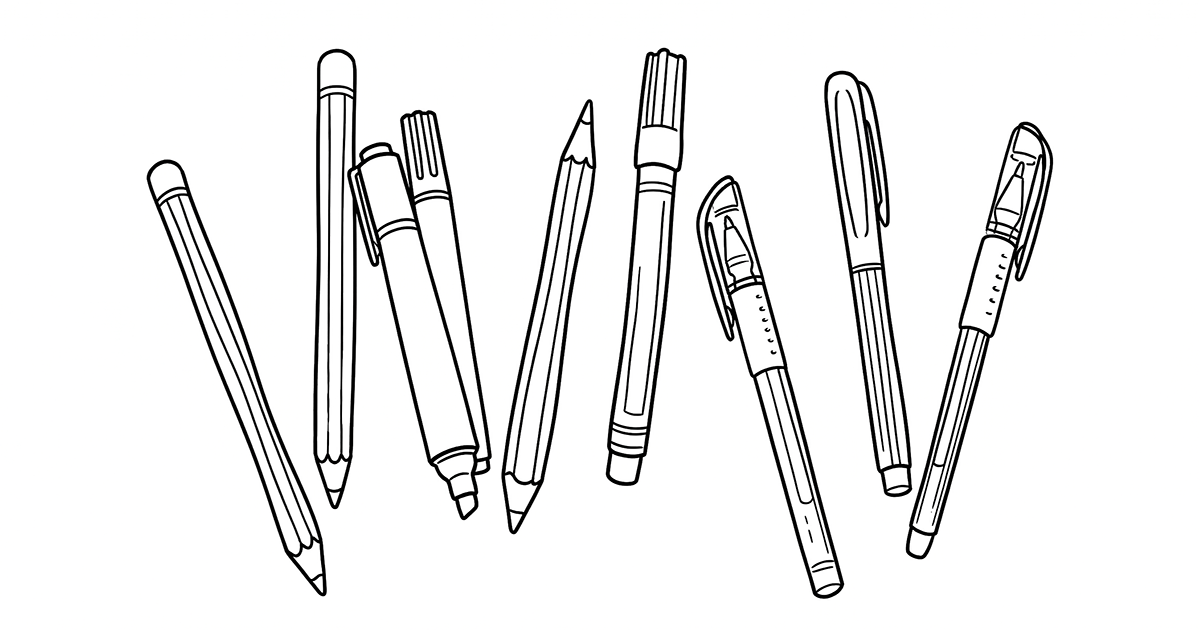
Colored pencils are the most versatile and beginner-friendly option. They allow for soft layering, subtle gradients, and easy corrections.
Markers provide bold, vivid colors and smooth coverage. However, they can bleed through the paper, so testing them beforehand is important.
Gel pens are great for adding highlights and small details. They work especially well for decorative accents or fine lines.
There is no single “correct” choice. The best tool is the one that feels comfortable in your hand and matches the style you want to create.
The “Outside-In” Rule
One of the simplest ways to avoid frustration is to start coloring from the edges and move inward.
By carefully tracing the outline first, you reduce the chance of going outside the lines. This technique helps maintain clean boundaries and gives your work a more polished appearance.
It also creates a natural rhythm: outline, then fill. This small habit can make even complex designs feel manageable.
Managing Colors with Simple Notes
When working on detailed designs over multiple days, it’s easy to forget which colors you used. This can lead to inconsistency and frustration.
A simple solution is to create a personal color code system. On the back of the page or in an unseen area, write down the brand and color number of each tool you use.
This small habit acts like a visual memory and allows you to return to your work later with confidence, maintaining consistency throughout the piece.
Let Go of Perfection
Perhaps the most important mindset shift is this: coloring is not about perfection.
You don’t need a silent room or a perfectly organized desk. What matters is that your space feels comfortable to you. A favorite chair, a good light, and a moment of calm are enough.
Imperfections are part of the process. Slight variations in color or unexpected combinations often add character rather than detract from it.
Instead of trying to create something flawless, focus on creating something that feels right to you.
Final Thoughts
Adult coloring, especially when inspired by kanji and traditional Japanese art, is an opportunity to slow down and appreciate simplicity. It is not about mastering a technique, but about enjoying a quiet, creative moment.
Start with simple tools, follow gentle techniques, and allow yourself to explore without pressure.
In the end, the most beautiful coloring is not the most perfect one—it is the one that brings you a sense of calm.